Cabro Maintenance and Repair Guide
Interlocking cabro can be maintained and locally repaired without replacing an entire surface. The right response depends on whether the issue is on the surface, in the joints or in the supporting base.
By Premium Cabro · Published
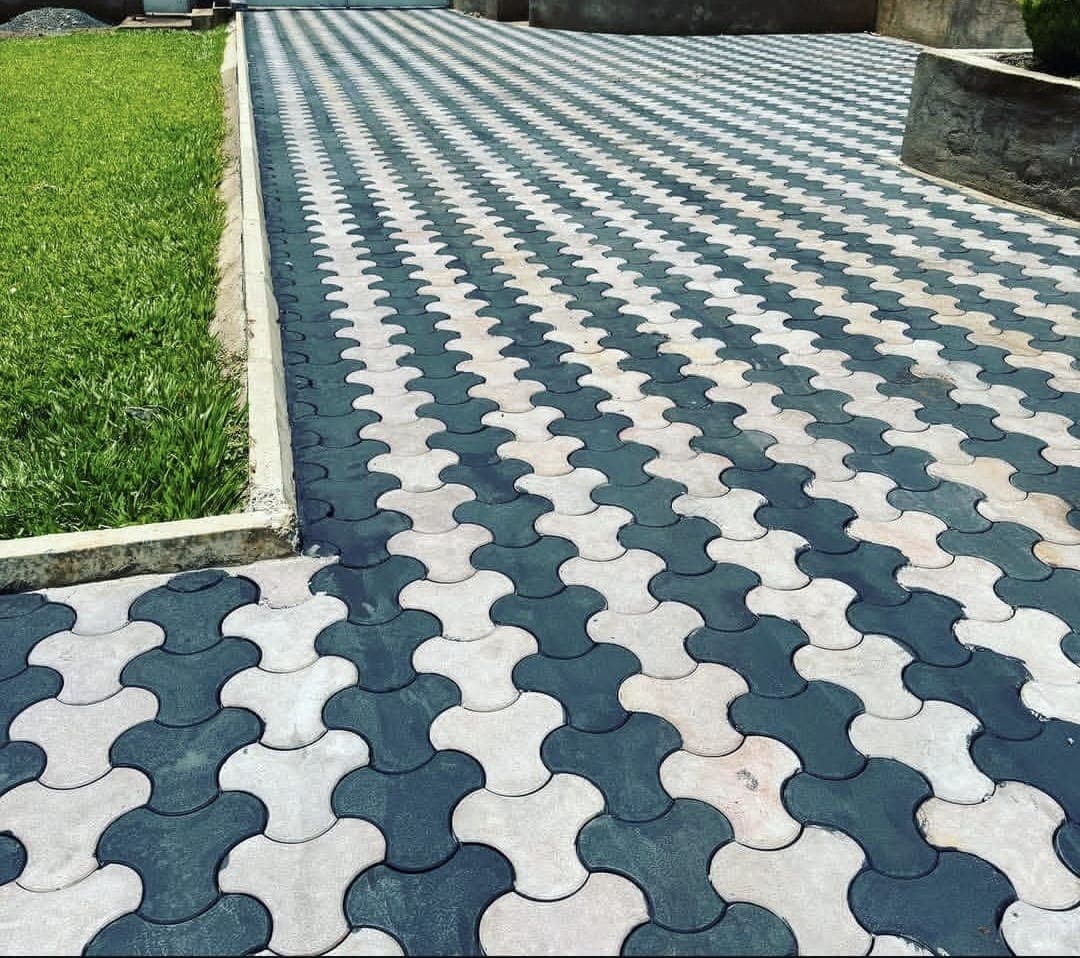
Routine cleaning and joint care
Sweep away soil and organic debris before it builds up in the joints. Use cleaning methods suitable for concrete pavers, test any product on a small hidden area and avoid washing joint material out with uncontrolled high pressure.
- Remove leaves and soil from drainage routes
- Replace lost jointing sand with a compatible material
- Deal with spills promptly without spreading them across the surface
When individual blocks can be lifted
A stained, chipped or disturbed block can often be lifted and replaced if a matching unit is available. Blocks may also be lifted temporarily to reach a service below the paving.
- Photograph the pattern before lifting
- Protect reusable blocks from damage
- Restore the bedding layer and joint fill before final compaction
Settlement needs diagnosis, not a cosmetic patch
A low spot can indicate a failed base, water movement or soft ground. Adding loose sand on top or replacing only the visible blocks may hide the symptom without correcting the cause.
- Check where water enters and exits
- Open enough area to rebuild the affected support
- Correct levels and restraints before relaying blocks