Common Cabro Installation Mistakes and How to Avoid Them
Many visible cabro problems begin below the blocks. Planning the ground, drainage, base and traffic requirement before laying starts is usually more important than choosing the final colour.
By Premium Cabro · Published
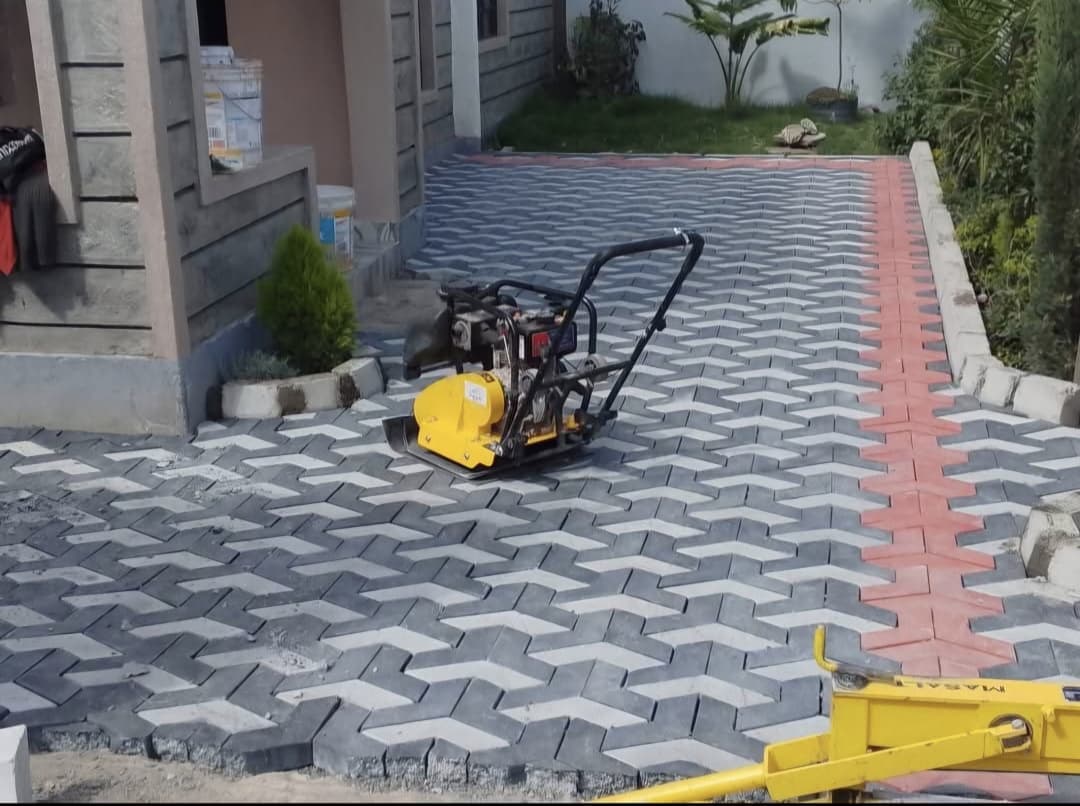
Choosing blocks before defining traffic
A private footpath and a turning area for delivery lorries do not have the same requirements. Confirm the heaviest expected vehicle and how often it will use the surface before choosing 60mm or 80mm cabro.
- Describe normal and occasional traffic
- Identify braking and turning areas
- Do not specify decorative blocks for heavy traffic without checking suitability
Ignoring weak ground or an inconsistent base
Soft spots, organic soil and poorly compacted fill can settle at different rates. Simply adding bedding sand over an uneven surface will not correct the underlying problem.
- Remove unsuitable material where required
- Build and compact the base in appropriate layers
- Check levels throughout preparation rather than only at the end
Treating drainage and edges as finishing details
Water needs a planned route off or through the paved area. Unrestrained edges can spread, allowing joints to open and blocks to move.
- Set falls toward confirmed outlets
- Coordinate channels and inspection covers before laying
- Install suitable edge restraints around exposed boundaries
- Fill joints and complete final compaction consistently