How Proper Drainage Protects a Cabro Driveway
Cabro is not a substitute for a drainage plan. Water must be directed away from buildings and prevented from washing through or softening the layers that support the paving.
By Premium Cabro · Published
Plan levels before excavation and base work
The finished level must relate to gates, door thresholds, neighbouring ground, existing drains and road connections. Trying to create a fall only in the thin bedding layer leads to inconsistent support.
- Identify the safe discharge point
- Keep water away from walls and entrances
- Account for long runs, flat areas and changes in direction
Use the right combination of falls and drainage units
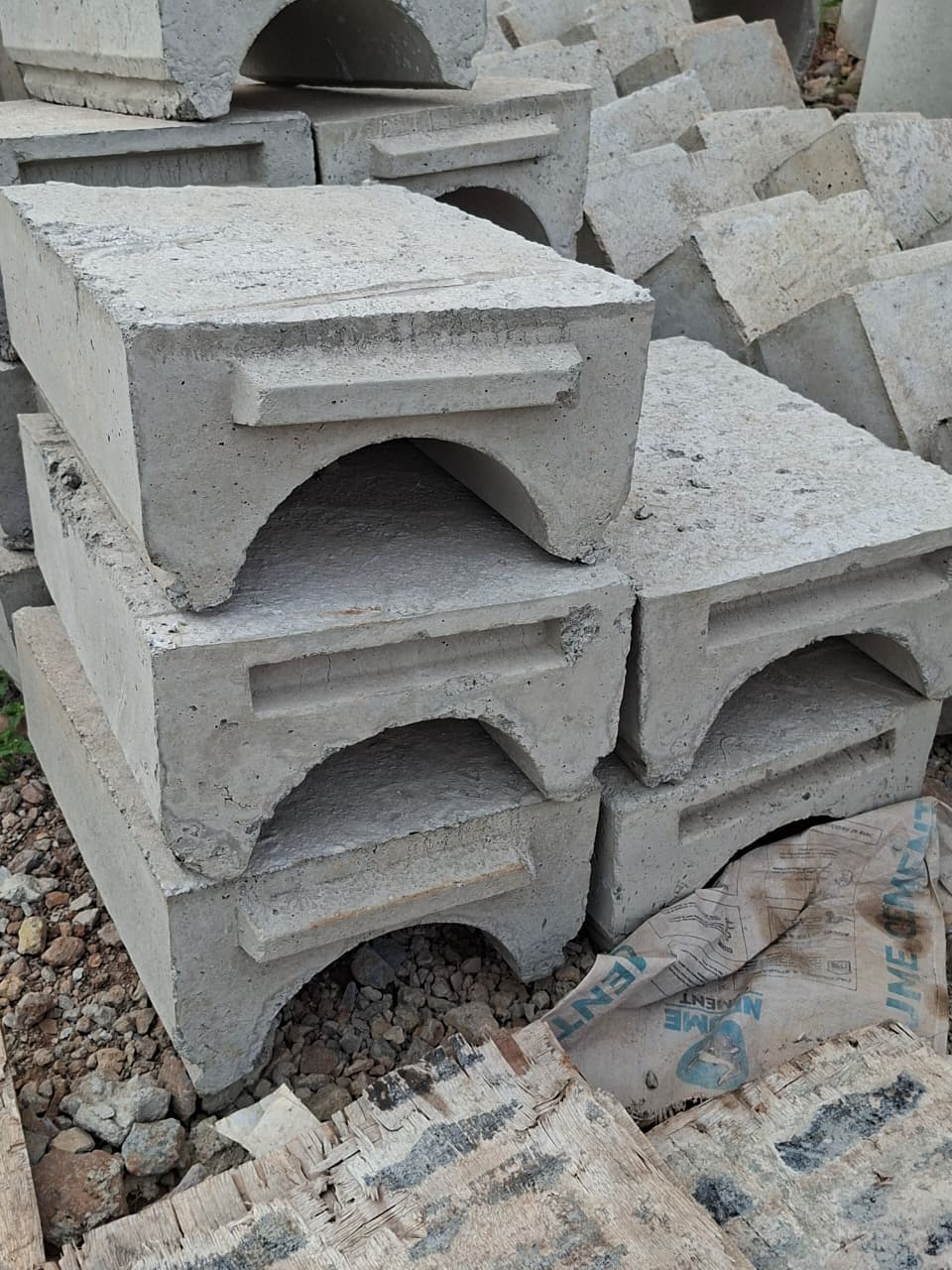
Some sites can drain over the surface to a safe edge. Others need kerbs, channels, invert blocks or collection points. The selection depends on site levels and expected water flow, not appearance alone.
- Keep channels accessible for cleaning
- Coordinate crossings and culverts where vehicles pass
- Avoid outlets that simply transfer water to an unstable edge
Watch for warning signs after installation
Standing water, washed-out joint sand, damp edges and recurring settlement all justify investigation. Clearing a blocked outlet early is simpler than rebuilding a softened base later.
- Inspect after heavy rain
- Remove debris from channels and outlets
- Repair broken edge restraints before movement spreads